

Understanding Fall Injuries and Their Impact
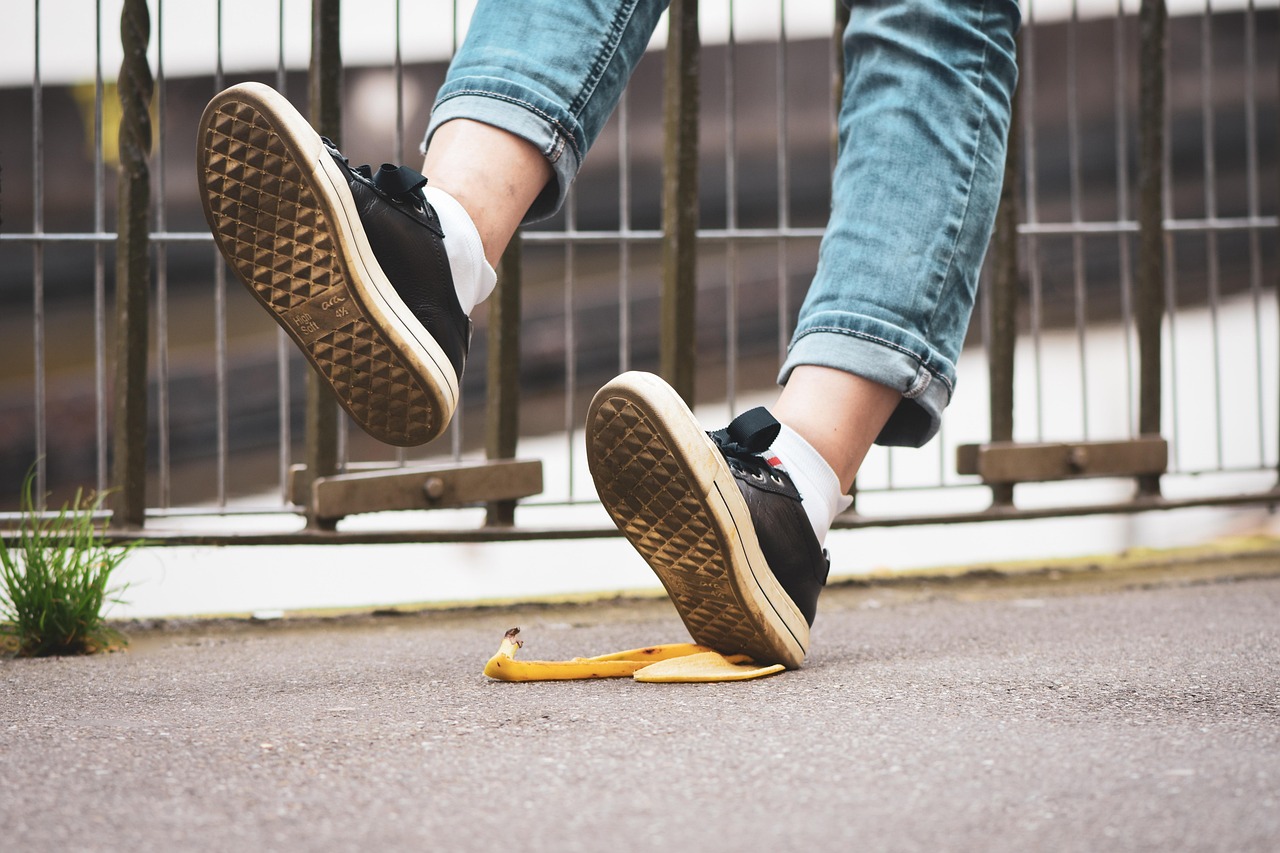
As the autumn season sets in with its kaleidoscope of colors and crisp air, it also brings with it a hidden danger—falls. The combination of wet leaves, uneven ground, and early morning frost can turn a simple walk into a potential hazard. While some falls may result in nothing more than a bruised ego, others can lead to significant injuries such as sprains, fractures, and muscle strains. Understanding the nature of these injuries is the first step in appreciating the critical role that physiotherapy, massage, and acupuncture can play in recovery.
Injuries from falls can vary widely in severity and type. Common fall-related injuries include ankle sprains, which occur when the ligaments around the ankle are stretched or torn, and wrist fractures, often the result of instinctively reaching out to break a fall. Hip fractures are particularly concerning for older adults and can lead to long-term mobility issues.

Additionally, falls can cause soft tissue injuries like contusions and strains, which can be painful and restrict movement. Regardless of the specific injury, the impact on daily life can be profound, affecting everything from mobility to mental well-being.
The physical consequences of a fall are only part of the story; the psychological impact can be just as significant. Fear of falling again can lead to a reduction in physical activity, which in turn can result in muscle weakness and further increase the risk of future falls. This vicious cycle can be debilitating, leading to a loss of independence and a decrease in quality of life. Therefore, a comprehensive recovery plan that includes physiotherapy, massage, and acupuncture is essential not only for healing the body but also for restoring confidence and promoting overall wellness.
The Role of Physiotherapy in Recovery
Physiotherapy, also known as physical therapy, is a cornerstone of fall recovery.

This therapeutic approach focuses on improving movement, increasing strength, and reducing pain through targeted exercises and hands-on techniques. For individuals recovering from falls, physiotherapy offers a structured path to regain function and prevent future injuries. It begins with a thorough assessment by a physiotherapist who will identify the specific areas of concern and develop a personalized treatment plan.
One of the primary goals of physiotherapy is to restore mobility. After a fall, muscles and joints may be stiff or weakened, making everyday activities challenging. Through a combination of stretching, strengthening exercises, and mobilization techniques, physiotherapy helps to improve range of motion and flexibility. This is particularly important for older adults, who may already have compromised mobility. By gradually increasing the intensity of exercises, physiotherapists ensure that patients can safely and effectively return to their normal routines.
Pain management is another critical aspect of physiotherapy.
Techniques such as manual therapy, where the therapist uses their hands to manipulate muscles and joints, can help reduce pain and improve function. Additionally, modalities like heat and cold therapy, ultrasound, and electrical stimulation may be used to alleviate pain and promote healing. These interventions not only address the physical symptoms but also play a role in reducing the psychological barriers to recovery. By managing pain effectively, physiotherapy helps patients feel more confident in their ability to move and perform daily activities.
Benefits of Massage Therapy for Fall Recovery
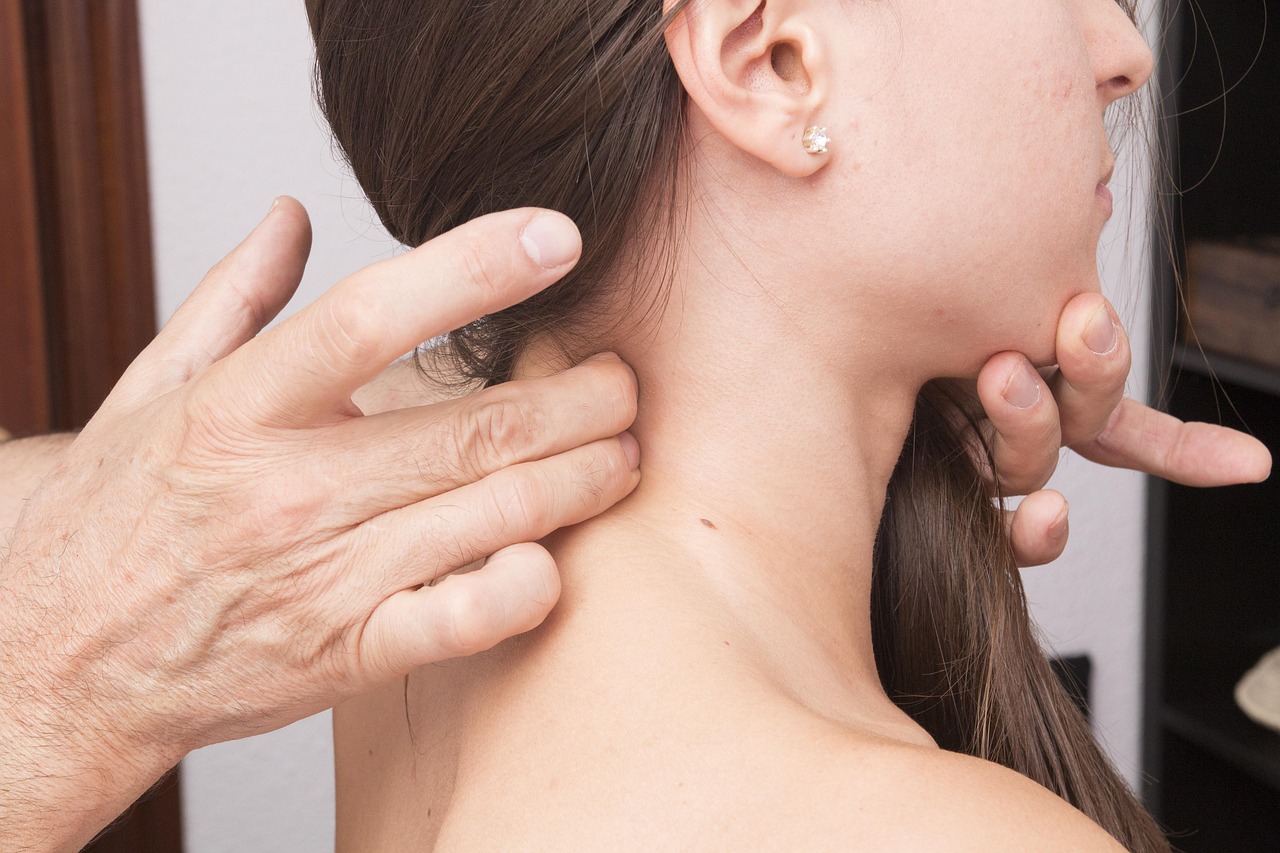
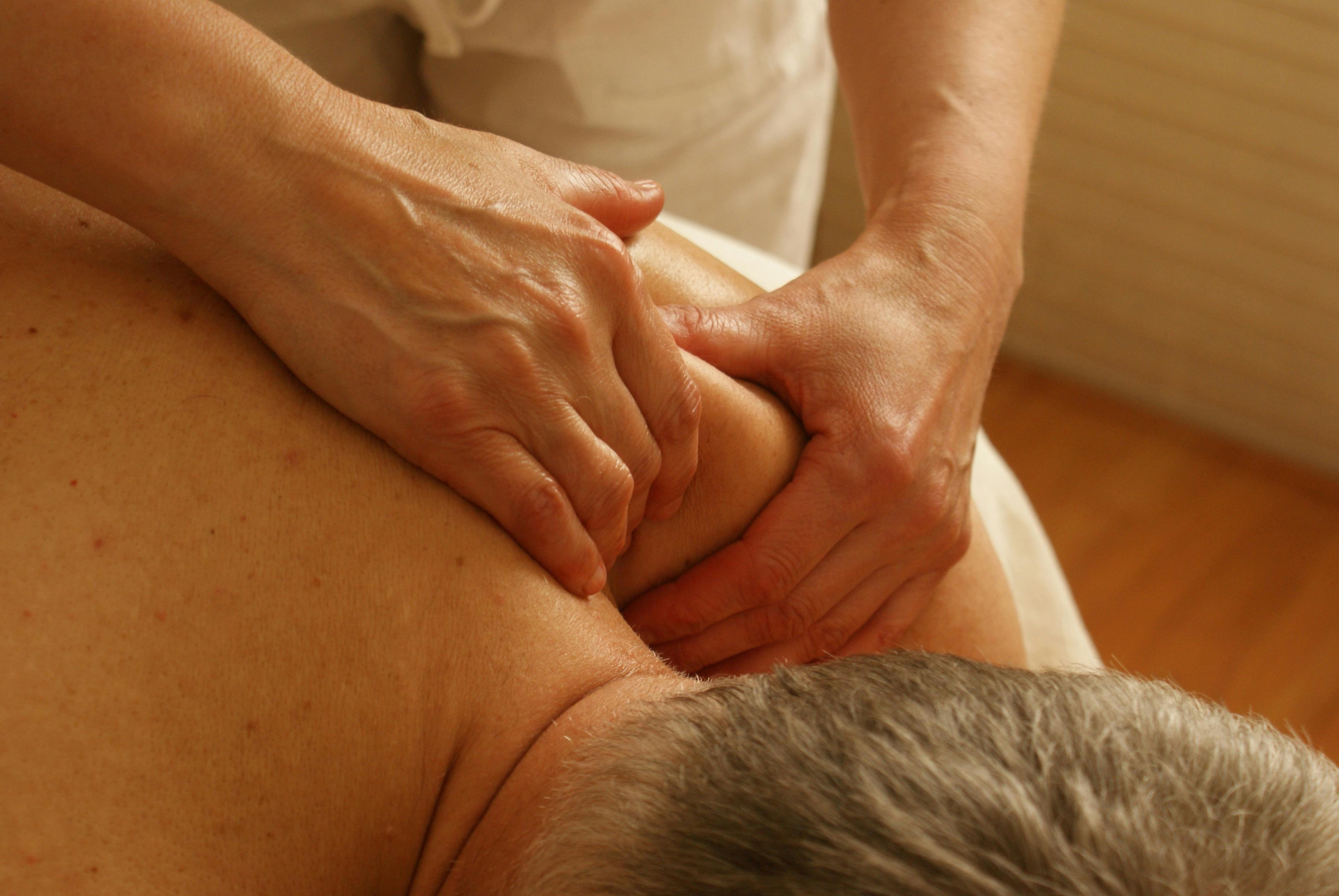
Massage therapy is another vital component of a comprehensive fall recovery plan. This hands-on approach involves manipulating the muscles and soft tissues of the body to promote relaxation, reduce pain, and improve circulation. For those recovering from falls, massage therapy can be particularly beneficial in addressing the muscle tension and soreness that often accompany injuries.

By targeting specific areas of discomfort, massage therapists can help alleviate pain and accelerate the healing process.
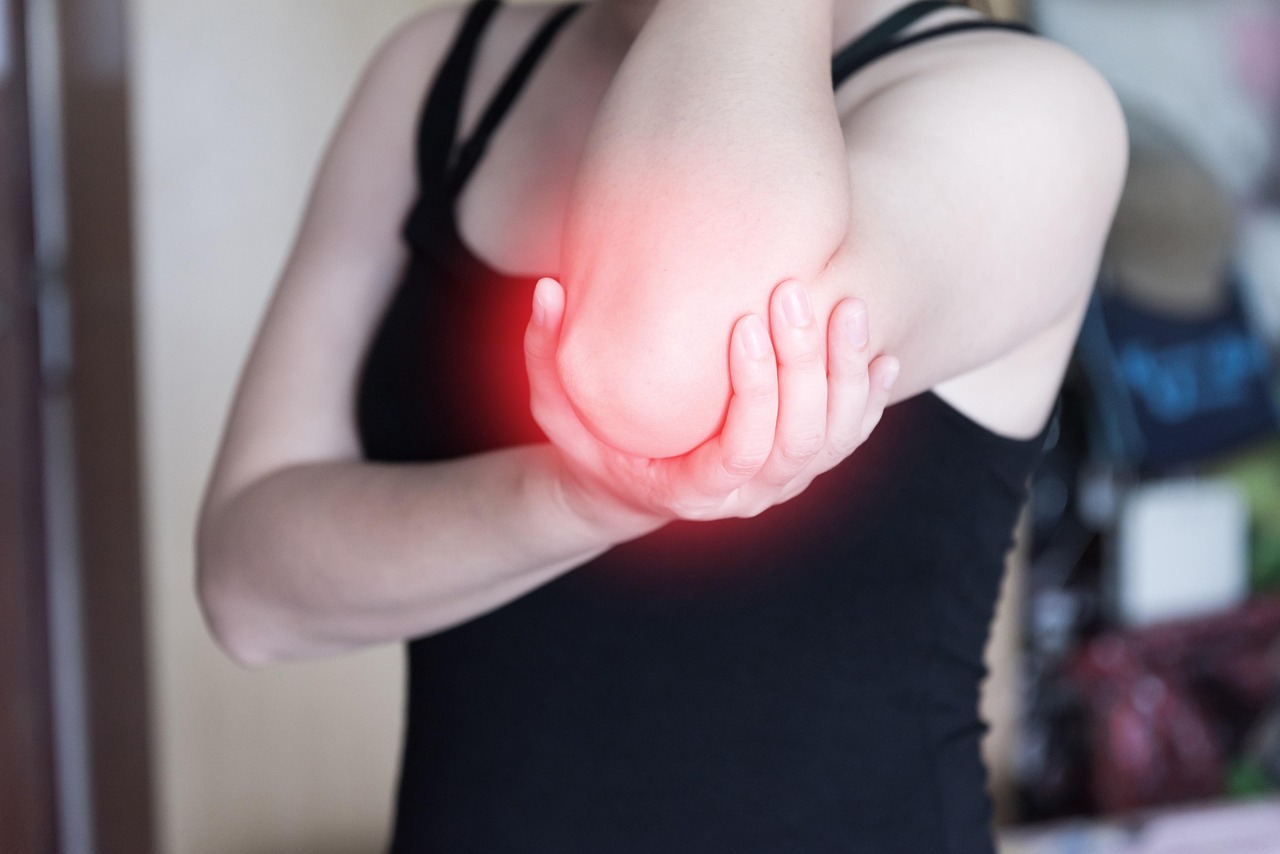
One of the most significant benefits of massage therapy is its ability to reduce muscle tension and spasms. After a fall, the body’s muscles often become tight and sore as they attempt to protect the injured area. This muscle tension can lead to further discomfort and limit mobility. Through techniques such as kneading, deep tissue massage, and trigger point therapy, massage therapists can release muscle knots and reduce spasms, allowing for greater movement and flexibility. This release of tension not only helps to alleviate pain but also promotes a sense of relaxation and well-being.
Improved circulation is another key benefit of massage therapy. By enhancing blood flow to the affected areas, massage helps to deliver essential nutrients and oxygen to the tissues, promoting faster healing. Increased circulation also aids in the removal of metabolic waste products that can accumulate in the muscles after an injury.
This detoxification process helps to reduce inflammation and swelling, further supporting the body’s natural healing mechanisms. Additionally, the improved blood flow can boost the immune system, helping the body to recover more efficiently from the trauma of a fall.
The Healing Power of Acupuncture
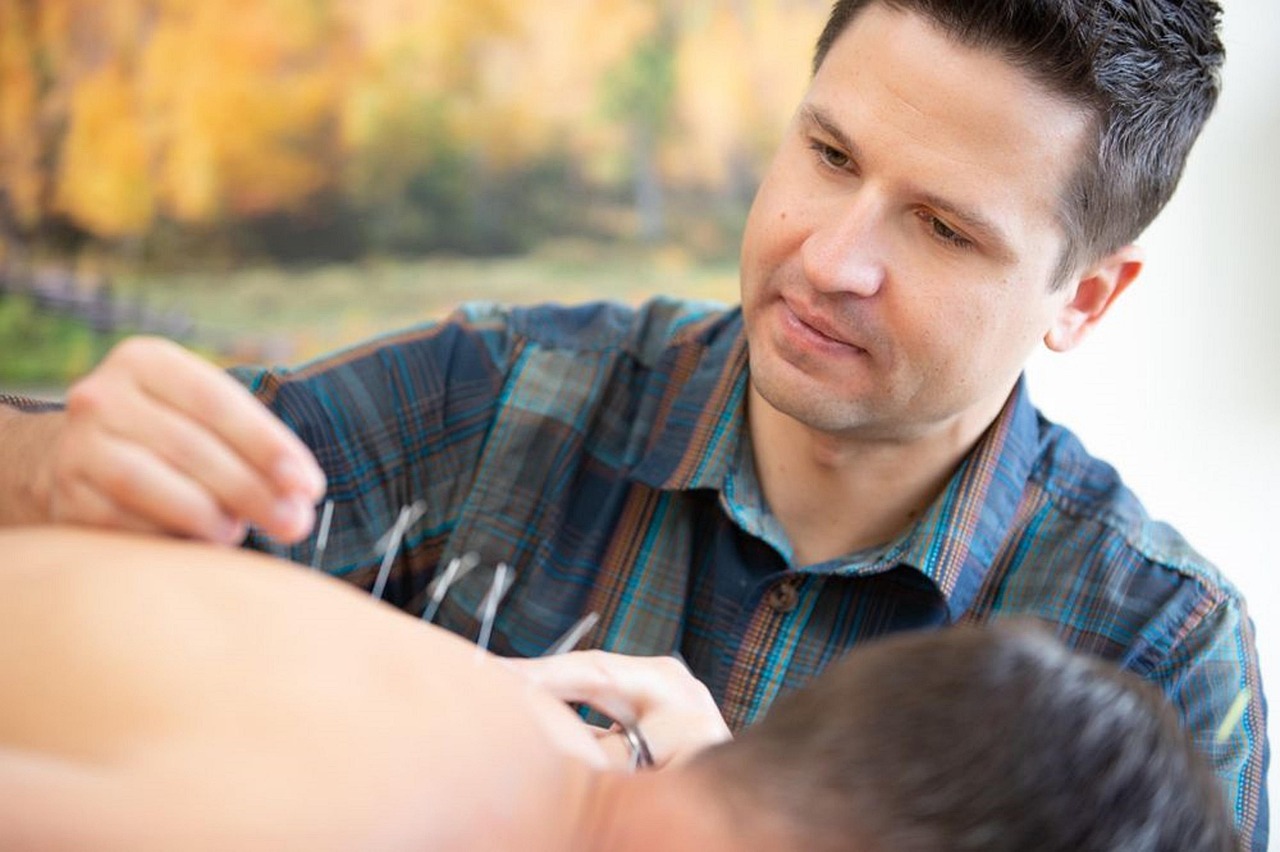
Acupuncture, an ancient Chinese practice, has gained recognition in modern medicine for its ability to support recovery from various injuries, including those resulting from falls. This therapeutic technique involves the insertion of fine needles into specific points on the body, known as acupoints, to stimulate the body’s natural healing processes. Acupuncture is based on the principle of balancing the body’s energy, or Qi, to promote health and well-being. For individuals recovering from falls, acupuncture offers a holistic approach to pain relief and healing.
One of the primary benefits of acupuncture is its ability to provide effective pain relief.
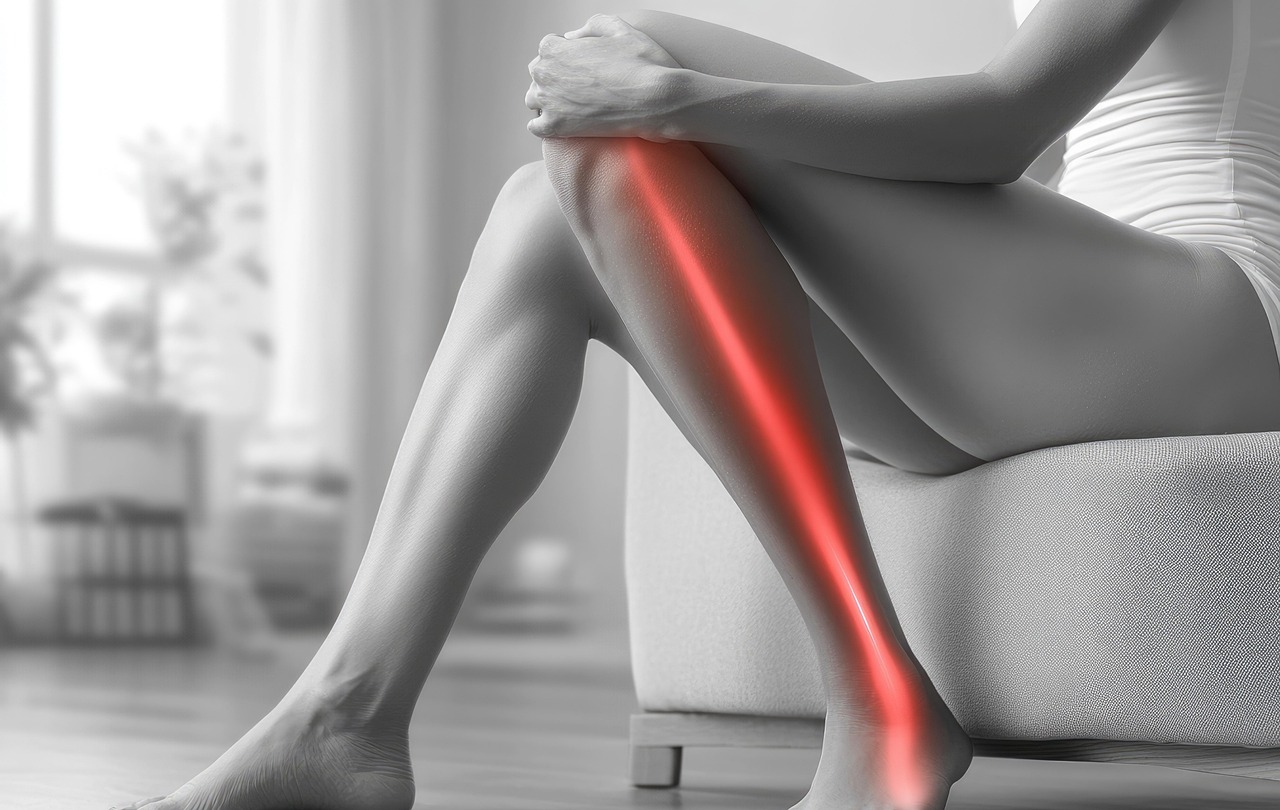
Research has shown that acupuncture can stimulate the release of endorphins, the body’s natural painkillers, which help to reduce the perception of pain. Additionally, acupuncture can modulate the nervous system, reducing inflammation and promoting relaxation. For those dealing with the pain and discomfort of fall-related injuries, acupuncture provides a non-invasive and drug-free option for managing symptoms and accelerating recovery.
Acupuncture also supports the body’s natural healing processes by improving circulation and promoting the flow of energy. By targeting specific acupoints, practitioners can enhance blood flow to the injured areas, delivering vital nutrients and oxygen to support tissue repair. This increased circulation also helps to remove toxins and reduce inflammation, further aiding the healing process. Additionally, acupuncture can help to restore balance to the body’s energy systems, promoting overall health and well-being. This holistic approach not only addresses the physical aspects of recovery but also supports emotional and mental health, which are crucial for a full and lasting recovery.
Integrating Holistic Therapies for Optimal Recovery
The integration of physiotherapy, massage, and acupuncture offers a comprehensive approach to fall recovery that addresses the physical, emotional, and mental aspects of healing. Each of these therapies brings unique benefits to the recovery process, and when used together, they can create a synergistic effect that enhances overall outcomes. By combining these modalities, individuals can achieve a more complete and lasting recovery, allowing them to return to their daily activities with confidence and ease.
Physiotherapy provides the foundation for recovery by addressing the mechanical aspects of movement and function. Through targeted exercises and hands-on techniques, physiotherapists help to restore strength, flexibility, and mobility. Massage therapy complements this approach by addressing muscle tension and promoting relaxation, which can enhance the effectiveness of physiotherapy exercises. By reducing pain and improving circulation, massage therapy supports the body’s natural healing processes and helps to prepare the muscles and joints for the demands of physiotherapy.

Acupuncture adds an additional layer of support by addressing the body’s energy systems and promoting overall balance. This holistic approach can enhance the effects of both physiotherapy and massage therapy by reducing pain, improving circulation, and supporting the body’s natural healing mechanisms. The combination of these therapies creates a comprehensive and multi-faceted approach to recovery that addresses the root causes of injury and promotes long-term health and well-being. By integrating physiotherapy, massage, and acupuncture, individuals can unlock their path to healing and enjoy the autumn season in all its glory.
The Psychological Benefits of Holistic Therapies
Recovery from a fall is not just about healing the physical injury; it also involves addressing the psychological impact of the experience. Fear, anxiety, and a loss of confidence can all result from a fall, and these emotions can significantly affect the recovery process. Holistic therapies such as physiotherapy, massage, and acupuncture offer psychological benefits that can help individuals overcome these challenges and promote a positive mindset.

Physiotherapy can help to build confidence by gradually reintroducing movement and activity in a controlled and safe environment. By working with a physiotherapist, individuals can learn to trust their bodies again and regain their sense of independence. The structured approach of physiotherapy provides a clear path to recovery, which can help to reduce anxiety and uncertainty. Additionally, the supportive relationship with a physiotherapist can provide emotional encouragement and motivation, which are crucial for a successful recovery.
Massage therapy offers significant psychological benefits through its ability to promote relaxation and reduce stress. The physical touch of massage can release tension and promote a sense of calm and well-being. This relaxation response can help to reduce anxiety and improve mood, making it easier for individuals to cope with the emotional challenges of recovery. Furthermore, the soothing environment of a massage session can provide a much-needed respite from the stress and demands of daily life, offering a space for mental and emotional rejuvenation.
Acupuncture also provides psychological benefits by promoting balance and harmony within the body. The calming effects of acupuncture can help to reduce stress and anxiety, promoting a sense of peace and well-being. Additionally, acupuncture can support mental clarity and focus, which can be beneficial for individuals dealing with the cognitive challenges of recovery. By addressing the emotional and mental aspects of healing, acupuncture can help individuals to approach their recovery with a positive and balanced mindset.
Practical Tips for Incorporating Holistic Therapies
Incorporating physiotherapy, massage, and acupuncture into a fall recovery plan may seem overwhelming, but with a few practical tips, it can be a seamless and rewarding process. The key is to create a balanced and personalized approach that addresses your specific needs and goals. Here are some tips to help you get started on your journey to healing with these holistic therapies.
First, consult with your healthcare provider to determine the best course of action for your recovery. They can provide valuable guidance on which therapies are most appropriate for your specific injury and overall health. Your healthcare provider can also help you find qualified practitioners in your area, ensuring that you receive safe and effective treatment. It’s essential to communicate openly with your healthcare team about your progress and any concerns you may have, as this will help to optimize your recovery plan.
Next, create a schedule that allows you to incorporate these therapies into your routine. Consistency is key to achieving the best results, so it’s important to commit to regular sessions with your physiotherapist, massage therapist, and acupuncturist. Consider setting aside specific days and times each week for your appointments, and make sure to prioritize self-care as part of your overall recovery plan.

Remember that healing takes time, and it’s important to be patient and persistent in your efforts.
Finally, listen to your body and adjust your approach as needed. Recovery is a dynamic process, and your needs may change over time. Pay attention to how your body responds to each therapy and communicate with your practitioners about any adjustments that may be necessary. It’s also important to practice self-care outside of your therapy sessions, such as staying hydrated, eating a balanced diet, getting enough rest, and incorporating gentle movement and stretching into your daily routine. By taking a holistic and proactive approach to your recovery, you can unlock your path to healing and enjoy the vibrant colors and activities of the autumn season.
Conclusion
The journey to recovery after a fall can be challenging, but with the right support and approach, it is possible to regain strength, mobility, and confidence.
Physiotherapy, massage, and acupuncture offer a comprehensive and holistic approach to healing that addresses the physical, emotional, and mental aspects of recovery. By integrating these therapies, individuals can create a synergistic effect that enhances overall outcomes and promotes long-term health and well-being.
Physiotherapy provides the foundation for recovery by improving movement, strength, and function through targeted exercises and hands-on techniques. Massage therapy complements this approach by addressing muscle tension, reducing pain, and promoting relaxation. Acupuncture adds an additional layer of support by balancing the body’s energy systems and promoting overall health. Together, these therapies create a multi-faceted approach to recovery that addresses the root causes of injury and supports the body’s natural healing processes.
As the vibrant colors of fall emerge, it’s important to take proactive steps to protect your health and well-being. By incorporating physiotherapy, massage, and acupuncture into your recovery plan, you can unlock your path to healing and enjoy the autumn season in all its glory.
Embrace the transformative power of these therapies and get ready to reclaim your strength and vitality. With the right support and approach, you can bounce back stronger than ever and fully embrace the beauty and activities of the fall season.